
Strategies to Make PE Inclusive and Adaptable
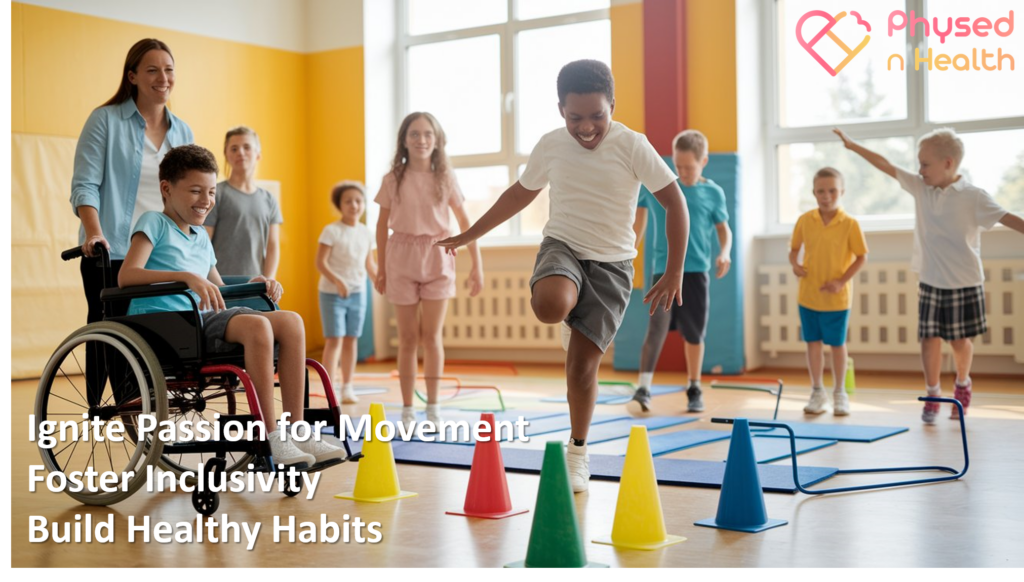
Why Inclusive and Adaptable PE Matters Physical Education (PE) should be an engaging and welcoming experience for all students, regardless of ability, fitness level, or background. However, many educators struggle with ensuring that every student can participate meaningfully. By implementing inclusive and adaptable PE strategies, teachers can create an environment where every child feels valued and encouraged to stay active. In this blog, we’ll explore effective strategies to make PE more inclusive, using PhysednHealth’s activity variations as an example. Whether you’re an educator looking to enhance your PE program or a parent advocating for better inclusivity, these solutions will help transform PE into a space for everyone. 1. Implement Universal Design for Learning (UDL) in PE The Universal Design for Learning (UDL) framework ensures that PE lessons accommodate various learning styles, physical abilities, and skill levels. This includes: PhysednHealth Adaptation Example: A traditional obstacle course can be adapted by: Learn more about UDL principles here. 2. Modify Activities for Different Ability Levels One of the biggest barriers to inclusive PE is activities that do not consider varying ability levels. Modifications should ensure that students of all skill levels can participate actively without feeling left out. PhysednHealth Adaptation Example: For a PE Bingo game: Discover more adapted PE activities. 3. Encourage Peer Support and Inclusive Teamwork Social inclusion is just as important as physical accessibility. Pairing students together fosters cooperation and ensures that no one is left behind. Peer-assisted activities can help students feel more supported while reinforcing teamwork skills. PhysednHealth Adaptation Example: In partner-up circuit training, students can: This not only creates an inclusive experience but also builds trust and confidence in all students. 4. Integrate Sensory-Friendly and Mindful Movement Options Some students, especially those with sensory processing challenges, may find loud environments or fast-paced activities overwhelming. Offering sensory-friendly options allows students to regulate their participation while staying engaged in physical movement. PhysednHealth Adaptation Example: For classroom movement breaks, provide: These variations ensure that every student can participate comfortably and benefit from movement-based learning. Explore sensory-friendly fitness ideas. 5. Offer Choice-Based Physical Activities A one-size-fits-all approach in PE excludes many students. Instead, providing choice-based activities allows students to select what works best for them based on their interests, abilities, and comfort levels. PhysednHealth Adaptation Example: For a walking challenge: Learn more about personalized PE strategies. Sample Inclusive PE Lesson Plan Lesson: Adaptive Obstacle Course Challenge Objectives: Materials Needed: Lesson Activities: Assessment Rubric: Criteria Excellent (3pts) Good (2pts) Needs Improvement (1pt) Effort Completes course with enthusiasm Participates with some breaks Needs encouragement to finish Adaptability Uses creative solutions to navigate obstacles Tries different approaches Struggles to adjust movements Teamwork Supports team, follows rules Participates but minimal encouragement Struggles with teamwork AI Prompt for Creating Inclusive PE Activities Teachers can use this detailed AI prompt to generate more inclusive PE lesson ideas: Prompt: “Design an inclusive Physical Education lesson plan for grades [insert grade level] that accommodates students of all abilities. The activity should include modifications for different skill levels, peer-assisted teamwork, sensory-friendly alternatives, and a reflection component. Provide a step-by-step guide, materials list, and assessment rubric to ensure all students can participate successfully.” This AI prompt can be used in tools like ChatGPT to customize inclusive lesson plans for various student needs. Creating a More Inclusive PE Experience By using strategies to make PE inclusive and adaptable, we ensure that every student feels valued, empowered, and excited to participate. Through strategies like activity modifications, peer support, sensory-friendly options, and choice-based participation, educators can build a PE program that meets the diverse needs of all learners. If you’re looking for more PE inclusivity strategies, check out PhysednHealth’s inclusive activity library for more ideas and resources. Let’s make movement accessible for all! Contact us at awesome@physednhealth.com PhysednHealth is a leading physical education and student wellness technology platform designed to help schools modernize PE with smart, standards-based tools. Our easy-to-use physical education software empowers teachers to track student progress, set SMART fitness goals, and promote mental and physical well-being. Trusted by educators worldwide, PhysednHealth brings data-driven insights, AI-powered assessments, and personalized learning to PE programs—helping students build lifelong healthy habits.