How Top-Performing Education Systems Maintain Physical Education While Excelling Academically
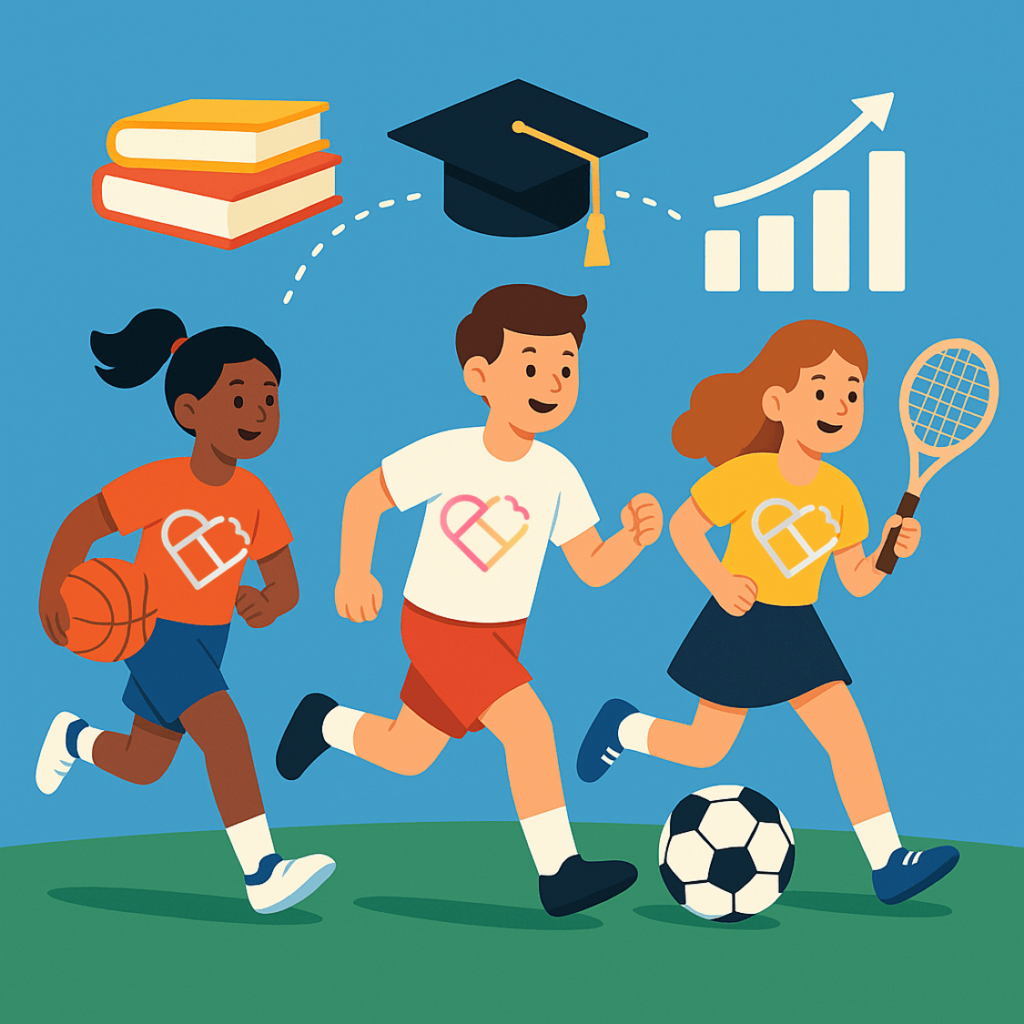
The relationship between academic performance and physical education presents a paradox in global education systems. While the United States struggles to maintain physical education (PE) programs amid budget cuts and academic pressures, many top-performing countries in reading and mathematics have developed sophisticated approaches to integrate PE into their academic ecosystems. This report examines how nations ranking in the top 10 of the 2022 PISA assessments (Singapore, Macao, Chinese Taipei, Japan, Korea, Hong Kong, Estonia, Canada, Ireland, and Switzerland) structure their physical education frameworks compared to the United States, which ranks 18th in combined PISA scores1. The PISA Academic Hierarchy and Its Physical Education Counterparts Global Academic Leaders The 2022 PISA results reveal a distinct cluster of high performers: The United States ranks 18th with 489.3 points, scoring below all top 10 nations in mathematics (475 vs. Singapore’s 575) and science (499 vs. Singapore’s 561)1. Notably, seven of these top 10 countries (Singapore, Japan, Korea, Canada, Ireland, Estonia, and Switzerland) also rank among the top 20 nations in the U.S. News Best Countries report, suggesting a correlation between educational quality and national development priorities4. Policy Foundations for Physical Activity Top-performing nations share three critical policy approaches: For example, Japan’s Ministry of Education mandates 90 hours of annual PE instruction in elementary schools, increasing to 105 hours in junior high—a requirement that persists despite the country’s intense academic culture5. Singapore’s Ministry of Education (MOE) publishes detailed PE syllabi that blend movement competency with health literacy, requiring primary students to complete swimming proficiency by Grade 6 alongside standard PE hours3. China is aiming to beef up physical education in schools, making it core to the curriculum rather than a secondary subject Structural Differences in Physical Education Implementation Singapore: The Gold Standard Integration Singapore’s 2024 Physical Education Syllabus demonstrates how high-performing systems embed movement into academic success strategies: Three-Circle Framework The curriculum explicitly connects physical literacy to cognitive outcomes, stating: “A balanced PE curriculum strengthens students’ learning across disciplines by developing executive functioning skills through complex movement patterns”3. This aligns with Singapore’s top PISA ranking, where students average nearly 560 points despite dedicating 10-15% of school time to PE13. Japan: Cultural Philosophy Meets Policy Japan’s approach combines mandated standards with cultural values: Unlike the U.S. model that often isolates PE from academic subjects, Japanese schools use physical activities to reinforce mathematics (measuring athletic performance) and literature (analyzing traditional dances). This interdisciplinary approach may contribute to Japan’s consistent top-five PISA rankings since 200015. Switzerland: Wealth and Wellness Synergy Ranked #1 in Best Countries overall4, Switzerland demonstrates how resource allocation supports dual academic-physical excellence: Swiss students average 498 PISA points while maintaining Europe’s highest youth physical activity rates—a 72% daily participation rate versus 24% in U.S. adolescents14. The American Disconnect: Policy vs. Practice Statistical Contrasts Metric U.S. Average Top 10 Average Weekly PE Minutes 89 158 Certified PE Teachers 27% 92% PE Curriculum Standardization State-level National Systemic Challenges Japan’s education ministry provides a stark contrast, requiring all PE teachers to complete 300+ hours of subject-specific training compared to 46 hours in typical U.S. programs5. Neuroscience Meets Pedagogy: The Cognitive Advantage Emerging research explains why top education systems prioritize PE: Neuroplasticity Enhancement Metabolic Optimization These practices align with OECD findings that students averaging 60+ daily PE minutes score 28 points higher in PISA sciences—equivalent to half a school year’s progress1. Policy Recommendations for Systemic Change The evidence from top-performing nations suggests that physical education isn’t merely compatible with academic excellence—it’s a catalyst for it. As the United States grapples with stagnant PISA rankings, embracing the integrated models of Singapore, Japan, and Switzerland could provide the dual solution policymakers seek: healthier bodies and sharper minds135. Looking to fundraise? Visit WellPledge to start your campaign today! See how PhysednHealth can serve as a digital platform to connect with parents. Contact us at awesome@physednhealth.com! PhysednHealth is a leading physical education and student wellness technology platform designed to help schools modernize PE with smart, standards-based tools. Our easy-to-use physical education software empowers teachers to track student progress, set SMART fitness goals, and promote mental and physical well-being. Trusted by educators worldwide, PhysednHealth brings data-driven insights, AI-powered assessments, and personalized learning to PE programs—helping students build lifelong healthy habits.