
Personalized Fitness Plans: Using AI to Tailor PE to Individual Needs
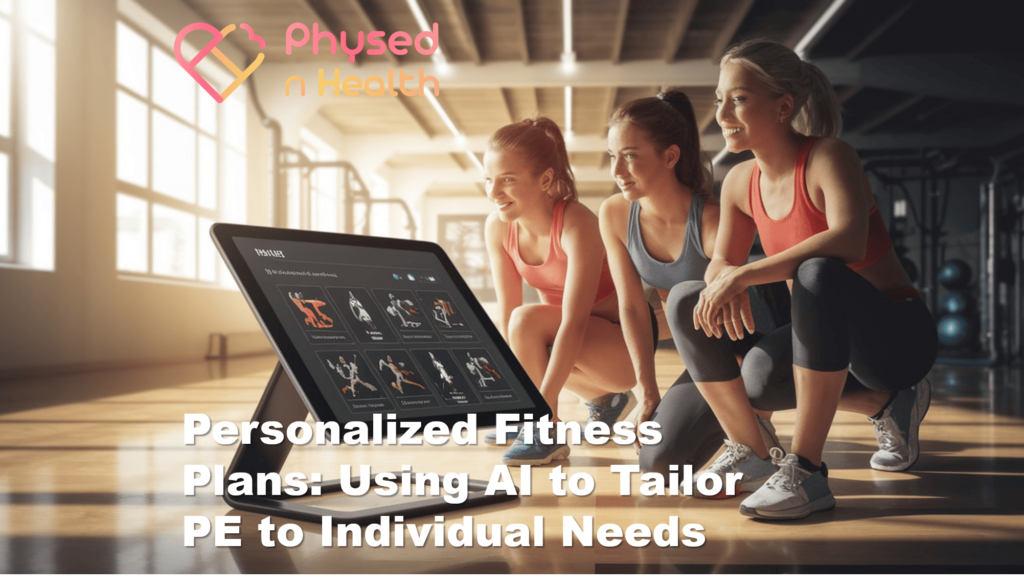
Personalized fitness plans are revolutionizing the way physical education (PE) is delivered, and artificial intelligence (AI) is at the forefront of this transformation. By using AI to tailor PE to individual needs, educators can create customized programs that cater to each student’s goals, abilities, and preferences. This blog explores how AI-powered fitness plans can enhance student engagement and success, provides sample AI prompts for creating personalized programs, and outlines a practical implementation strategy for schools. Why Personalized Fitness Plans Matter in PE Traditional “one-size-fits-all” fitness programs often fail to meet the diverse needs of students in PE classes. Personalized fitness plans address this issue by tailoring activities to individual goals, skill levels, and physical limitations. Using AI to tailor PE to individual needs allows educators to: How AI Enhances Personalized Fitness Plans AI-powered tools analyze data such as fitness goals, body metrics, and activity preferences to create tailored workout plans. These tools also adapt over time based on student progress, ensuring continued effectiveness. Key Benefits of Using AI in PE: Sample Detailed AI Prompts for Personalized Fitness Plans Safeguarding Student Privacy: A Top Priority When using AI to tailor PE to individual needs, protecting student data is paramount. Schools must ensure that personalized fitness plans are created and implemented without compromising student privacy or security. AI tools like ChatGPT can generate highly customized fitness plans using detailed prompts. Below are examples of base prompts and templates you can use: Base Prompt Template “Create a personalized 6-week fitness plan for a [age]-year-old [gender] at a [fitness level] level aiming to [fitness goal]. The program should include [specific types of exercises] while considering [injuries or limitations].” Sample Prompts Advanced Prompt Chain Example These prompts can be used with platforms like ChatGPT or other AI tools to quickly generate tailored plans that meet individual needs. Implementation Strategy for Schools Introducing personalized fitness plans using AI in schools requires careful planning and execution. Below is a step-by-step strategy: 1. Assess Student Needs Collect baseline data such as fitness levels, goals, injuries, and preferences using surveys or wearable devices. 2. Choose the Right Tools Select an AI platform that aligns with your school’s needs and budget. Options like PhysednHealth provide comprehensive solutions tailored specifically for schools. 3. Train Educators Provide professional development sessions on how to use AI tools effectively in PE classes. Resources like the SHAPE America website offer valuable training materials. 4. Pilot the Program Start with a small group of students to test the system’s effectiveness before scaling up school-wide implementation. 5. Monitor Progress Use AI analytics dashboards to track student progress over time and make adjustments as needed. Building Trust Through Proven Results At PhysednHealth, we’ve seen firsthand how personalized fitness plans can transform student outcomes when powered by AI. In 2024 alone: These results highlight the profound impact of using AI-driven personalized fitness plans in schools. Conclusion: Empowering Students Through Personalization The future of physical education lies in personalization—and using AI to tailor PE to individual needs is the key to unlocking every student’s potential. By implementing personalized fitness plans powered by AI, schools can create inclusive programs that foster engagement, improve health outcomes, and build lifelong habits. Ready to transform your PE program? Explore innovative solutions at PhysednHealth or learn more about how technology is reshaping education at PE Scholar. Take the First Step Towards Personalized Fitness Today!Sign Up for a Free Demo with PhysednHealth to discover how AI can revolutionize your school’s PE program. Click here to schedule your demo now and start empowering your students with tailored fitness plans that drive real results! You can also contact us at awesome@physednhealth.com. PhysednHealth is a leading physical education and student wellness technology platform designed to help schools modernize PE with smart, standards-based tools. Our easy-to-use physical education software empowers teachers to track student progress, set SMART fitness goals, and promote mental and physical well-being. Trusted by educators worldwide, PhysednHealth brings data-driven insights, AI-powered assessments, and personalized learning to PE programs—helping students build lifelong healthy habits. P.S. We are actively working on an AI Guide for PE K12 Schools. Email or drop a comment if you would like to see specific information covered in the guide.
The Future of Fitness Testing in Schools: Balancing Assessment and Enjoyment
As we look towards the 2025-2026 school year, the landscape of fitness testing in schools is evolving rapidly. The future of fitness testing in schools is shifting towards a more holistic approach that balances assessment with student enjoyment. This blog will explore emerging trends, challenges, and solutions to help educators create a more positive and effective fitness testing environment. The Changing Face of Fitness Testing Traditional fitness testing methods have faced criticism for their potential negative impact on students’ self-esteem and enjoyment of physical activity. The future of fitness testing in schools is moving towards more inclusive and engaging approaches that prioritize individual progress over standardized benchmarks(link). Embracing Technology and Gamification One exciting development in the future of fitness testing in schools is the integration of technology and gamification. High-intensity exergames have shown promise in increasing student enjoyment during physical activities(link). By incorporating interactive elements and game-like features, schools can make fitness testing more appealing and less intimidating for students. Personalized Assessment Approaches The future of fitness testing in schools will likely emphasize personalized assessments that track individual progress over time. This shift allows students to focus on their own improvement rather than comparing themselves to others, fostering a more positive attitude towards physical fitness(link). Balancing Assessment and Enjoyment To create a more balanced approach to fitness testing, educators should consider the following strategies: Creating a Supportive Environment The future of fitness testing depends on creating a supportive and inclusive environment. Educators should strive to minimize competition during testing and ensure privacy for individual assessments(link). This approach can help reduce anxiety and increase student engagement. Innovative Assessment Methods As we look to the future of fitness testing, several innovative methods are emerging: Continuous Monitoring Rather than relying on annual tests, some schools are exploring continuous monitoring of physical activity throughout the year. This approach provides a more comprehensive picture of students’ fitness levels and habits. Discover PhysednHealth innovative approaches to promote health and engagement in physical education or contact us at awesome@physednhealth.com Integrated Curriculum Approaches The future of fitness testing in schools may involve integrating fitness concepts into other subject areas. This interdisciplinary approach can help students understand the broader implications of physical fitness on their overall health and well-being(link). Addressing Challenges While the future of fitness testing in schools looks promising, there are challenges to overcome: Collaborative Solutions To address these challenges, schools can: Embracing a Positive Future The future of fitness testing in schools is bright, with a focus on creating positive experiences that encourage lifelong physical activity. By balancing assessment with enjoyment, educators can help students develop a healthy relationship with fitness and set the stage for long-term well-being. For more information on innovative approaches to physical education, visit the Society of Health and Physical Educators (SHAPE America) or explore resources from the Presidential Youth Fitness Program. By embracing these new approaches, we can ensure that fitness testing becomes a valuable tool for promoting health and wellness rather than a source of stress or discouragement. The future of fitness testing in schools is about empowering students to take control of their health and enjoy the journey towards lifelong fitness. PhysednHealth is a leading physical education and student wellness technology platform designed to help schools modernize PE with smart, standards-based tools. Our easy-to-use physical education software empowers teachers to track student progress, set SMART fitness goals, and promote mental and physical well-being. Trusted by educators worldwide, PhysednHealth brings data-driven insights, AI-powered assessments, and personalized learning to PE programs—helping students build lifelong healthy habits. Discover PhysednHealth innovative approaches to promote health and engagement in physical education. Contact us at awesome@physednhealth.com.
Rethink PE: The One Shift That Can Transform Your PE Program
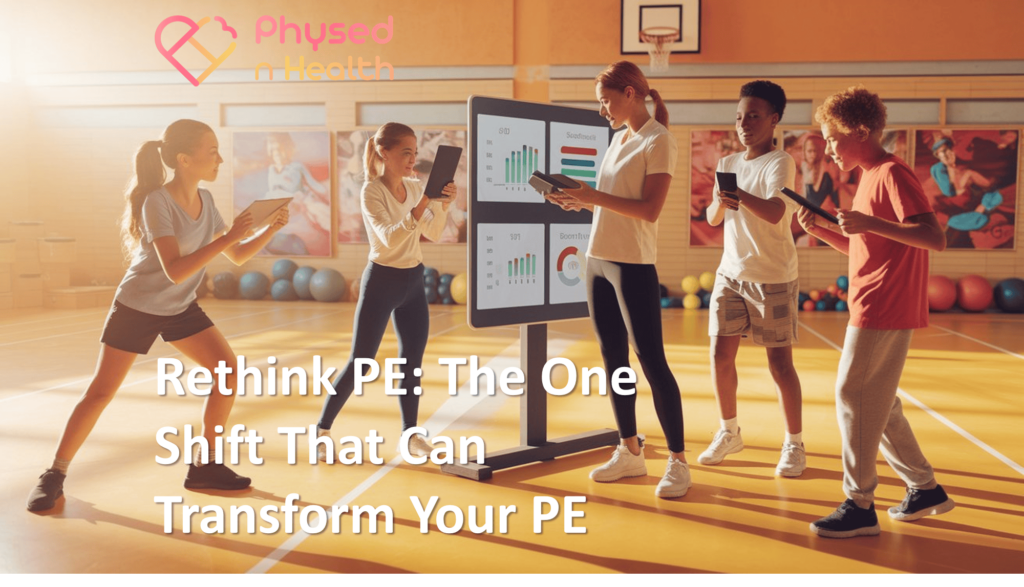
Why You Need to Rethink PE: The Core Challenges. Running a modern PE program requires balancing multiple demands. Here’s why it’s time to Rethink PE: Maximize Time and Resources Higher Student Engagement Inclusivity and Differentiation Smarter Professional Development Advocate for Its Value A Goal-Driven, Tech-Supported Approach By adopting modern strategies and technology, you can Rethink PE and create a student-centered, engaging, and effective program. 1️⃣ Rethink PE to Optimize Time and Resources 2️⃣ Rethink PE to Boost Student Engagement 3️⃣ Rethink PE to Promote Inclusivity 4️⃣ Rethink PE to Empower Educators Rethink PE: Using Data to Advocate for More Support 📊 Data-Driven Funding Requests 📢 Parent Engagement 🤝 Community Partnerships Beyond Technology: Rethink PE with Modern Teaching While technology enhances PE, success also depends on curriculum innovation and school-wide collaboration. 🔹 Modernize the Curriculum 🔹 Healthier School Culture Rethink PE: Start Your Transformation Today The challenges in K-12 Physical Education are real, but they can be overcome. By embracing goal-driven strategies, technology, and modern teaching methods, you can: Platforms like PhysednHealth provide the tools to streamline assessments, track student progress, and integrate SMART goal setting. The question isn’t whether PE should evolve—it’s how soon we start the transformation. Download our free guide here. 🚀 Take the First Step in Rethinking PE Today Let’s Rethink PE together—because the future of Physical Education depends on it. Research-Based Advocacy for PE Wearable Fitness Technology in PE Professional Development for PE Teachers Gamification & Digital Learning in PE School-Community Partnerships for Physical Education Grants & Funding Opportunities for PE Programs PhysednHealth is a leading physical education and student wellness technology platform designed to help schools modernize PE with smart, standards-based tools. Our easy-to-use physical education software empowers teachers to track student progress, set SMART fitness goals, and promote mental and physical well-being. Trusted by educators worldwide, PhysednHealth brings data-driven insights, AI-powered assessments, and personalized learning to PE programs—helping students build lifelong healthy habits. For more information contact us at awesome@physednhealth.com. Check out our website at Physednhealth.com.
Strategies to Make PE Inclusive and Adaptable
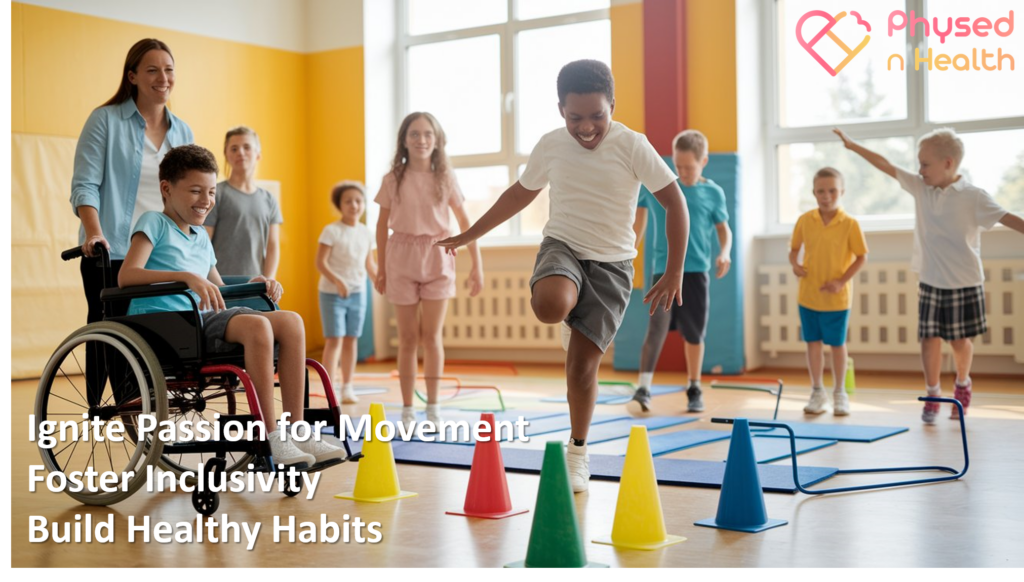
Why Inclusive and Adaptable PE Matters Physical Education (PE) should be an engaging and welcoming experience for all students, regardless of ability, fitness level, or background. However, many educators struggle with ensuring that every student can participate meaningfully. By implementing inclusive and adaptable PE strategies, teachers can create an environment where every child feels valued and encouraged to stay active. In this blog, we’ll explore effective strategies to make PE more inclusive, using PhysednHealth’s activity variations as an example. Whether you’re an educator looking to enhance your PE program or a parent advocating for better inclusivity, these solutions will help transform PE into a space for everyone. 1. Implement Universal Design for Learning (UDL) in PE The Universal Design for Learning (UDL) framework ensures that PE lessons accommodate various learning styles, physical abilities, and skill levels. This includes: PhysednHealth Adaptation Example: A traditional obstacle course can be adapted by: Learn more about UDL principles here. 2. Modify Activities for Different Ability Levels One of the biggest barriers to inclusive PE is activities that do not consider varying ability levels. Modifications should ensure that students of all skill levels can participate actively without feeling left out. PhysednHealth Adaptation Example: For a PE Bingo game: Discover more adapted PE activities. 3. Encourage Peer Support and Inclusive Teamwork Social inclusion is just as important as physical accessibility. Pairing students together fosters cooperation and ensures that no one is left behind. Peer-assisted activities can help students feel more supported while reinforcing teamwork skills. PhysednHealth Adaptation Example: In partner-up circuit training, students can: This not only creates an inclusive experience but also builds trust and confidence in all students. 4. Integrate Sensory-Friendly and Mindful Movement Options Some students, especially those with sensory processing challenges, may find loud environments or fast-paced activities overwhelming. Offering sensory-friendly options allows students to regulate their participation while staying engaged in physical movement. PhysednHealth Adaptation Example: For classroom movement breaks, provide: These variations ensure that every student can participate comfortably and benefit from movement-based learning. Explore sensory-friendly fitness ideas. 5. Offer Choice-Based Physical Activities A one-size-fits-all approach in PE excludes many students. Instead, providing choice-based activities allows students to select what works best for them based on their interests, abilities, and comfort levels. PhysednHealth Adaptation Example: For a walking challenge: Learn more about personalized PE strategies. Sample Inclusive PE Lesson Plan Lesson: Adaptive Obstacle Course Challenge Objectives: Materials Needed: Lesson Activities: Assessment Rubric: Criteria Excellent (3pts) Good (2pts) Needs Improvement (1pt) Effort Completes course with enthusiasm Participates with some breaks Needs encouragement to finish Adaptability Uses creative solutions to navigate obstacles Tries different approaches Struggles to adjust movements Teamwork Supports team, follows rules Participates but minimal encouragement Struggles with teamwork AI Prompt for Creating Inclusive PE Activities Teachers can use this detailed AI prompt to generate more inclusive PE lesson ideas: Prompt: “Design an inclusive Physical Education lesson plan for grades [insert grade level] that accommodates students of all abilities. The activity should include modifications for different skill levels, peer-assisted teamwork, sensory-friendly alternatives, and a reflection component. Provide a step-by-step guide, materials list, and assessment rubric to ensure all students can participate successfully.” This AI prompt can be used in tools like ChatGPT to customize inclusive lesson plans for various student needs. Creating a More Inclusive PE Experience By using strategies to make PE inclusive and adaptable, we ensure that every student feels valued, empowered, and excited to participate. Through strategies like activity modifications, peer support, sensory-friendly options, and choice-based participation, educators can build a PE program that meets the diverse needs of all learners. If you’re looking for more PE inclusivity strategies, check out PhysednHealth’s inclusive activity library for more ideas and resources. Let’s make movement accessible for all! Contact us at awesome@physednhealth.com PhysednHealth is a leading physical education and student wellness technology platform designed to help schools modernize PE with smart, standards-based tools. Our easy-to-use physical education software empowers teachers to track student progress, set SMART fitness goals, and promote mental and physical well-being. Trusted by educators worldwide, PhysednHealth brings data-driven insights, AI-powered assessments, and personalized learning to PE programs—helping students build lifelong healthy habits.
How SGOs and SMART Goals Transform Physical Education
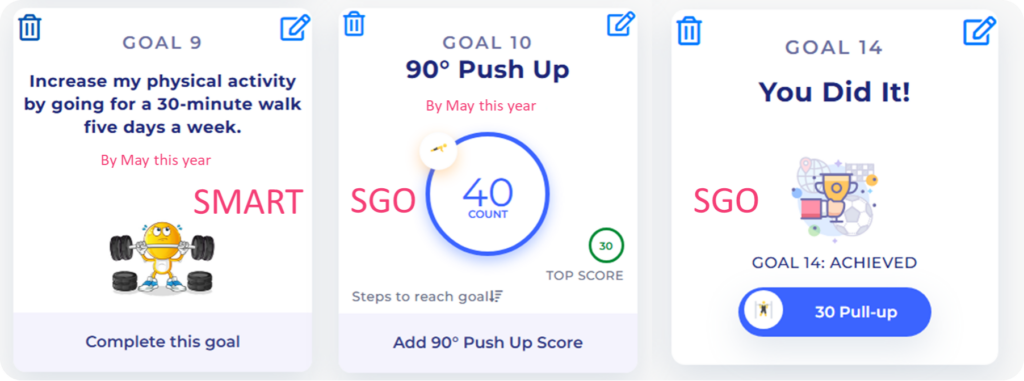
Physical education has evolved beyond traditional fitness drills to a more structured, goal-oriented approach. With the integration of Student Growth Objectives (SGOs) and SMART goals, PE teachers can now set clear expectations, track student progress, and ensure measurable improvements in fitness and skill development. What Are SGOs in Physical Education? Student Growth Objectives (SGOs) are specific, measurable goals that PE teachers set to assess student progress in physical skills, fitness levels, and overall well-being. They provide a structured way to track improvements over time and are often used for teacher evaluations. How SGOs Work in PE Example SGO in Physical Education Goal: By the end of the semester, 80% of students will improve their mile run times by 15%. Actions: Implement structured running programs, provide individualized feedback, and incorporate interval training sessions. Evaluation: Assess student progress with periodic mile run tests and adjust training programs as needed. How SMART Goals Support Physical Education SMART goals—Specific, Measurable, Achievable, Relevant, and Time-bound—help students and teachers set clear fitness and skill objectives, ensuring sustained motivation and focus. Using SMART Goals in PE Example SMART Goal in Physical Education Goal: By the end of the quarter, students will complete 20 consecutive sit-ups. Actions: Implement core-strengthening exercises, provide demonstrations, and encourage consistent practice. Evaluation: Monitor progress with weekly assessments and adjust training as needed. Key Differences Between SGOs and SMART Goals in PE Aspect SGOs SMART Goals Focus Student growth and achievement in physical skills and fitness Personal goal-setting for skills, fitness, and healthy habits Data Use Based on fitness tests, skill evaluations, and self-assessments Focuses on setting and tracking progress with clear benchmarks Collaboration Encourages teamwork among educators Can be set individually by students or guided by teachers Why SGOs and SMART Goals Matter in Physical Education Take Your PE Program to the Next Level With the right approach, SGOs and SMART goals can revolutionize physical education, helping students achieve measurable success in fitness and skill development. Platforms like PhysednHealth offer AI-powered SGO and SMART goal tracking tools, making it easier for students and teachers to set, monitor, and achieve their objectives. Start setting effective goals in your PE program today to create a structured, data-driven approach to fitness and student growth! For more information contact us at awesome@physednhealth.com
AI in Physical Education: The Ultimate Guide for Teachers (2025)
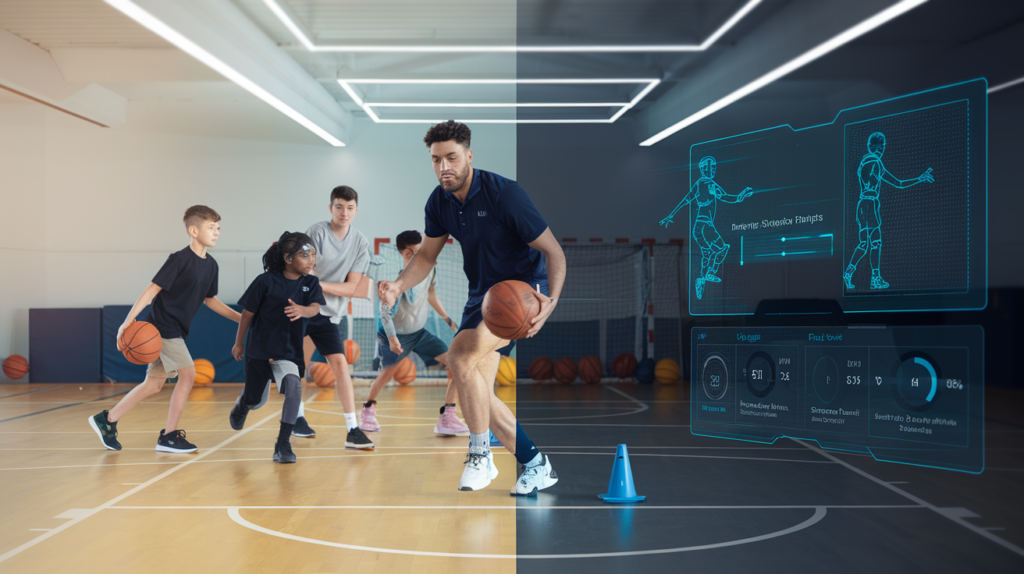
In this comprehensive guide, you’ll discover how artificial intelligence is revolutionizing physical education and learn practical ways to implement AI tools in your PE program. Whether you’re new to educational technology or looking to enhance your existing digital toolkit, this guide provides actionable insights for PE teachers at all technical levels. Table of Contents Why Use AI in Physical Education? According to SHAPE America’s 2024 Position Statement on Technology in Physical Education, technology integration is essential for delivering high-quality physical education programs. Physical Education presents unique opportunities for AI integration that can significantly enhance both teaching efficiency and student outcomes. As highlighted in the Journal of Physical Education, Recreation & Dance’s comprehensive review, Modern AI tools can help PE teachers: Real-World Success Stories Leading PE programs implementing AI tools report: Essential AI Applications in Physical Education 1. Smart Lesson Planning & Unit Design Transform your curriculum planning with AI-powered tools that help you: 2. Research & Content Development Streamline your content creation process: 3. Assessment & Progress Tracking Leverage AI for better assessment strategies: Step-by-Step Implementation Guide of AI in Physical Education 1. Preparing Your AI Prompts Let’s explore how to create effective AI prompts with real-world examples: Define Clear Outcomes Instead of writing: ❌ “I need a basketball lesson.” Write: ✅ “Create a basketball lesson plan for 7th grade aligned with: Learning objectives should include: Assessment will use a 4-point standards-based rubric. Available equipment includes 15 basketballs and 20 cones. Lesson should incorporate CASEL SEL competencies for self-awareness and relationship skills.” Provide Context Instead of writing: ❌ “I need modifications for my PE class.” Write: ✅ “I need modifications for a 45-minute soccer unit lesson aligned with: Class context: Structure Your Requests Instead of writing: ❌ “Create a fitness assessment.” Write: ✅ “Create a fitness assessment template aligned with: Assessment requirements: Format as a standards-based assessment with clear rubrics for each component and accommodations following IEP/504 guidelines.” 2. Quality Control Process Let’s examine a practical example of reviewing AI-generated content: Sample AI-Generated Warmup Activity: Dynamic stretching routine including: Quality Control Checklist: Example Modifications After Review: Updated Dynamic Warmup:1. High knees (30 seconds) – Teaching cue: “Pump arms, stay light on feet” – Modification: Marching in place 2. Lateral shuffles (20 yards each direction) – Teaching cue: “Athletic stance, feet don’t cross” – Modification: Side stepping without speed 3. Forward lunges (10 each leg) – Teaching cue: “Back knee down, front knee over ankle” – Modification: Half-depth lunges or wall support 4. Arm circles (15 each direction) – Teaching cue: “Make big circles, control movement” – Modification: Reduced range of motion 5. Jump rope variations (45 seconds) – Teaching cue: “Soft landings, stay on balls of feet” – Modification: Step in place without rope 3. Implementation Tips Start with this three-week adoption plan: Week-One: Planning Phase Week Two: Testing Phase Week Three: Full Integration Best Practices and Safety Considerations The CDC’s Physical Education Curriculum Analysis Tool (PECAT) provides comprehensive guidelines for ensuring safe and effective PE instruction. Additionally, the National Association of Sport and Physical Education’s (NASPE) Appropriate Practices Guidelines offers essential frameworks for technology integration in physical education. Safety First Implementation Tips Future of AI in Physical Education The integration of AI in PE continues to evolve, with emerging trends including: Key Takeaways Remember these essential points when implementing AI in your PE program: Frequently Asked Questions How much does AI integration cost for PE programs? Most entry-level AI tools for education offer free or affordable pricing tiers, making it accessible for most PE programs to start implementing AI solutions. What technical skills do PE teachers need? Basic digital literacy is sufficient for most AI applications in PE. Many tools are designed with user-friendly interfaces. How can I ensure AI-generated content is age-appropriate? Always review content through your professional lens and cross-reference with established developmental guidelines. Get Started with AI in Physical Education Ready to enhance your PE teaching with AI? Start with these steps: Want to learn more? Contact us at PhysednHealth for more information. Stay tuned for our Comprehensive AI Prompts for Physical Education blog coming soon!
Strength Training in Physical Education: Practical Tips
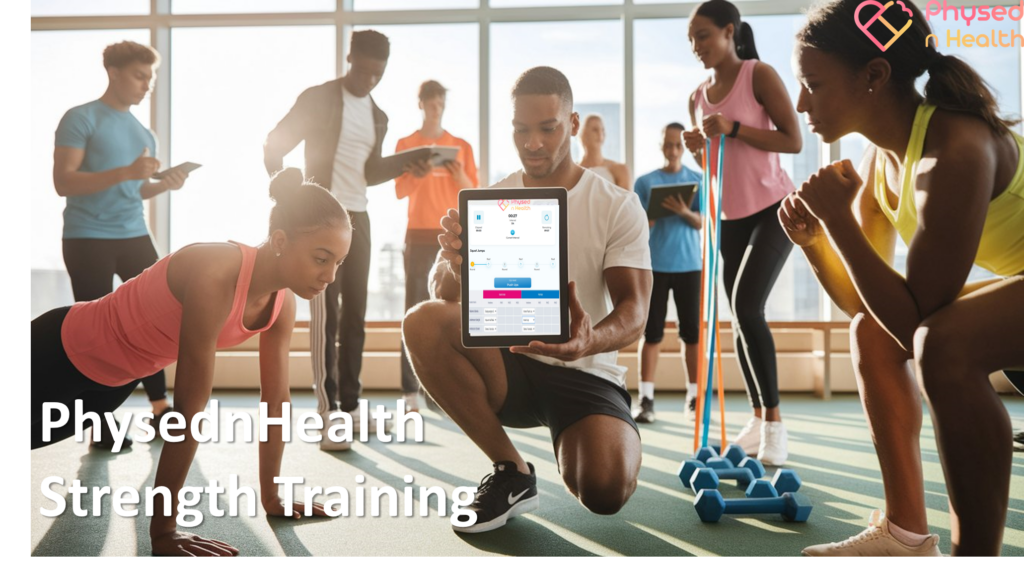
Why Strength Training in Physical Education Matters Strength training in physical education is essential for students’ overall fitness, helping them build muscular strength, endurance, and confidence in their physical abilities. Schools are increasingly integrating resistance training to encourage lifelong fitness habits. However, structuring an effective program can be challenging without the right tools. Check out or library of strength training videos here for free. With PhysednHealth, PE teachers and coaches can streamline strength training implementation, track student progress, and ensure a well-rounded fitness curriculum. Benefits of Strength Training in PE Related: Learn how strength training improves mental health How to Implement Strength Training in Physical Education 1. Start with Bodyweight Exercises For beginners, bodyweight exercises like squats, lunges, push-ups, and planks provide a strong foundation. Once students master proper form, gradually introduce resistance bands or light dumbbells. 2. Use a Structured Training Plan A well-designed training program ensures progressive overload and variety. PhysednHealth makes this process easy by allowing you to: 3. Introduce Strength Training with HIIT for Younger Students For lower-grade students, High-Intensity Interval Training (HIIT) can be a fun and engaging way to develop strength. Common HIIT exercises include: PhysednHealth’s HIIT tracking tool allows teachers to set exercise intervals, track student performance, and modify variations for different fitness levels. Further Reading: What is HIIT and why is it effective? 4. Track Student Progress in Strength Training Monitoring student progress is critical for motivation and improvement. With PhysednHealth, students can log: The PhysednHealth logging system simplifies this process, providing teachers with real-time data for better student feedback. 5. Provide Personalized Feedback Based on Data Using PhysednHealth’s progress tracking feature, teachers can analyze student performance and provide tailored recommendations. The color-coded progress table helps assess: 6. Encourage Students to Reflect & Improve Beyond logging sets and reps, students can rate their effort, track progress, and reflect on their performance. This promotes self-awareness, accountability, and motivation. How PhysednHealth Simplifies Strength Training in PE With PhysednHealth, PE teachers can: Sample Strength Training Unit Using PhysednHealth Here’s a practical example of how to implement a 4-week strength training unit: Week 1: Introduction and Assessment Week 2-3: Circuit Implementation Week 4: Assessment and Future Planning Lesson Plan: Strength Training in Physical Education Grade Level: Middle School – High School Lesson Duration: 45-60 minutes Focus Keyphrase: Strength Training in Physical Education Objective: By the end of the lesson, students will: Lesson Structure 1. Warm-Up (10 minutes) 💡 Objective: Prepare muscles and joints for strength exercises. Activity: Dynamic Warm-Up 2. Strength Training Circuit (25 minutes) 💡 Objective: Develop muscular strength and endurance through bodyweight or weighted exercises. Students will rotate through 3 rounds of the following exercises: Exercise Equipment Needed Modification (If No Equipment) Squats Dumbbells Bodyweight squats or wall sits Push-ups None Knee push-ups or incline push-ups Bicep Curls Dumbbells Water bottles or resistance bands Plank Hold None Knee plank or wall plank Lunges Dumbbells Bodyweight lunges or step-ups 👥 Students record their sets, reps, and weight (if applicable) on PhysednHealth. 3. Safety Considerations (5 minutes) 💡 Objective: Prevent injuries and promote safe training habits. 📌 Key Safety Tips: 4. Cool-Down & Reflection (5 minutes) 💡 Objective: Lower heart rate, stretch muscles, and reflect on progress. Activity: Guided Stretching Routine 📌 Students enter reflections in PhysednHealth, noting their strengths and areas for improvement. Rubric: Strength Training Performance & Engagement Criteria Excellent (4) Good (3) Needs Improvement (2) Unsatisfactory (1) Exercise Technique Uses proper form and follows safety guidelines Mostly uses proper form with minor mistakes Several form issues, needs reminders Incorrect form, does not follow safety guidelines Effort & Participation Fully engaged, completes all exercises Engaged but occasionally distracted Inconsistent effort, misses exercises Does not participate actively Progress Tracking Logs all sets, reps, and reflections in PhysednHealth Logs most data with some details missing Logs incomplete data Does not track progress Safety Awareness Always follows safety guidelines Follows most safety rules Occasionally ignores safety rules Does not follow safety rules Overcoming Lack of Equipment Learn More: Bodyweight Strength Training: No Equipment Needed How PhysednHealth Supports Strength Training in PE With PhysednHealth, PE teachers can: Start Implementing Strength Training in PE Today! Discover how PhysednHealth can transform strength training in physical education.Visit PhysednHealth.com to learn more and start implementing structured strength programs in your PE curriculum.
Part 1: Technology in Physical Education- Unlocking the Potential

Technology in physical education is reshaping PE instruction, boosting student engagement and providing data-driven insights. In our previous discussion, we explored why digital tools are essential for modern PE programs. Now, we take a deeper dive into how these innovations are revolutionizing instruction, assessment, and student motivation, while overcoming common challenges in PE technology integration. Key Ways Technology in Physical Education Changing Instruction: 📌 Read More: How AI is Changing Physical Education The Benefits of Using Technology in Physical Education for Student Engagement and Assessment ✅ Engaging Students with Interactive PE Technology ✅ Enhancing PE Assessments with Data-Driven Tools Technology simplifies PE assessments by: 📌 Read More: How Digital Assessments Improve PE Instruction ✅ Ensuring Inclusivity & Accessibility in PE By leveraging technology in PE, educators enhance student engagement, simplify assessments, and create a more inclusive learning environment. Common Challenges in Integrating Technology in Physical Education – And How to Overcome Them Even with its benefits, integrating PE technology can present obstacles. Here’s how to address them: 🚧 Budget Limitations 💡 Solution: Schools can start with free or low-cost PE tools like PhysednHealth.com before investing in premium solutions. Grants and district funding can also support technology integration. 🚧 Teacher Training & Tech Adaptation 💡 Solution: Educators should participate in professional development courses from SHAPE America and PhysednHealth’s educator resources to stay updated. 🚧 Equity & Student Access Issues 💡 Solution: Schools should provide shared resources, such as classroom tablets or wearable devices, to ensure all students benefit. 🚧 Balancing Screen Time with Physical Activity 💡 Solution: Technology should complement, not replace, movement-based learning. Hybrid PE models ensure students remain active while benefiting from digital insights. 📌 Discover More: Best Practices for Integrating PE Technology The Future of Physical Education is Digital The role of technology in physical education is expanding, offering innovative ways to engage students, track progress, and simplify assessments. By integrating AI-driven fitness coaching, gamification, and wearable tracking, PE teachers can transform instruction and help students develop lifelong fitness habits. In Part 2 of this series, we’ll introduce PhysednHealth.com, a game-changing platform that helps PE teachers and school administrators create data-driven, engaging, and effective physical education programs. Stay tuned! 📩 Need help implementing PE technology? Contact PhysednHealth for expert guidance or email us at awesome@physednhealth.com.
PhysednHealth vs. FitnessGram 2.0: Which PE Assessment Tool is Best?
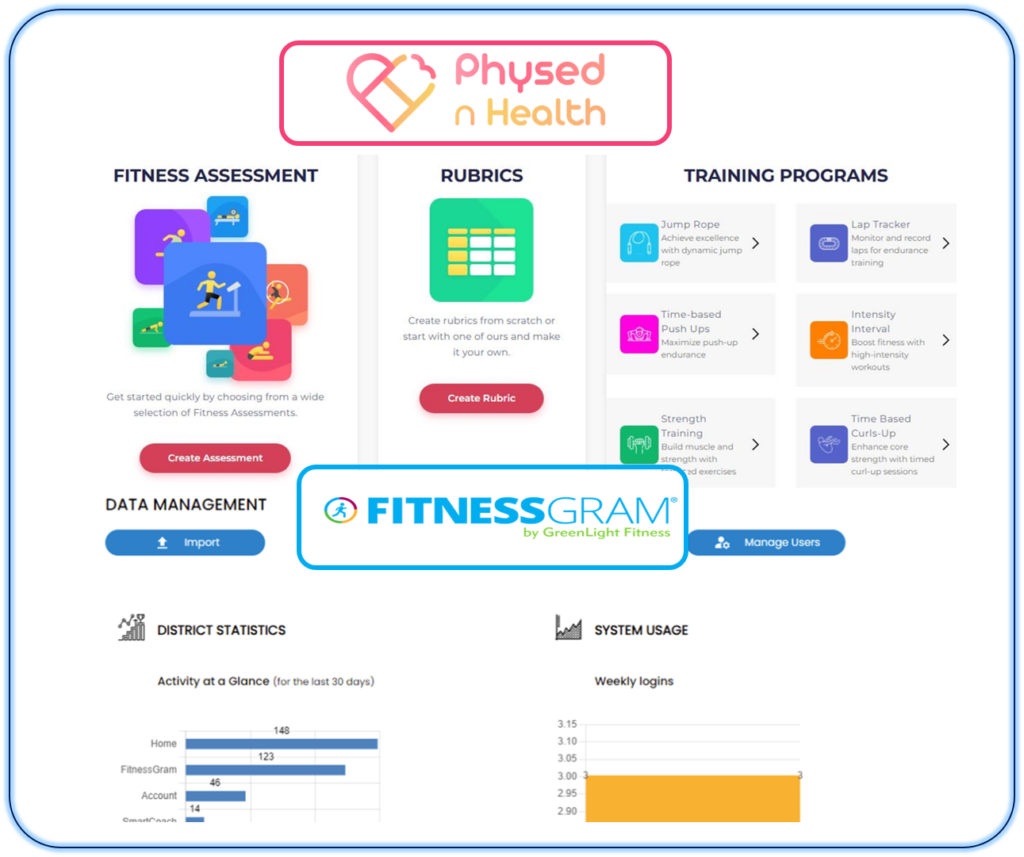
Choosing the right physical education assessment tool -PhysednHealth vs. FitnessGram 2.0 – is crucial for tracking student fitness, improving engagement, and simplifying reporting. While FitnessGram 2.0 has long been a standard in K-12 schools, PhysednHealth is emerging as a modern, user-friendly alternative with a focus on student growth, self-assessment, and goal-setting. If you’re looking for the best PE assessment software for your school, this guide will help you compare PhysednHealth vs. FitnessGram 2.0 in terms of features, usability, pricing, and student engagement. 1. What Are PhysednHealth and FitnessGram 2.0? What is FitnessGram 2.0? FitnessGram, created by The Cooper Institute, is a fitness assessment tool used in K-12 schools to measure student health based on standardized Healthy Fitness Zone® criteria. It evaluates: It’s widely used but can be complex to implement and may not fully engage students in goal-setting or self-improvement. What is PhysednHealth? PhysednHealth is a comprehensive PE assessment platform that simplifies fitness tracking, enhances student engagement, and reduces administrative workload. Unlike FitnessGram, it offers self-assessment tools, SMART goal tracking, and wellness journaling to foster long-term fitness habits. 2. Key Differences: PhysednHealth vs. FitnessGram 2.0 Feature PhysednHealth FitnessGram 2.0 Ease of Use ✅ Simple interface, minimal training required ⚠️ Can be complex to set up Assessment Type ✅ Flexible tracking, goal-setting, self-assessment ✅ Standardized fitness tests Student Engagement ✅ Encourages goal-setting, journaling, and self-reflection ⚠️ Primarily a teacher-led assessment Customization ✅ Schools can adjust assessment criteria ⚠️ Fixed standards Data & Reporting ✅ Quick, easy-to-read reports ✅ Detailed reports but requires training Implementation ✅ Fast setup, easy onboarding ⚠️ Requires more teacher training Cost ✅ Flat-rate pricing, budget-friendly ⚠️ Can be expensive for schools Integration ✅ Works with various school wellness tools ⚠️ Limited integrations 3. Why Schools Are Switching to PhysednHealth 1️⃣ Easier Setup & Faster Reporting PhysednHealth eliminates the steep learning curve that many schools face with FitnessGram 2.0. Teachers can track student progress, generate reports, and analyze data in a fraction of the time. 2️⃣ Student-Centered Learning & Goal-Setting FitnessGram focuses on pass/fail Healthy Fitness Zones, while PhysednHealth encourages students to Set SMART fitness goals, reflect through wellness journaling and track their progress over time This empowers students to take ownership of their health instead of just receiving a one-time fitness score. 3️⃣ More Flexibility & Customization Unlike FitnessGram’s fixed assessment structure, PhysednHealth allows schools to customize tracking based on their unique PE curriculum. 4️⃣ Affordable & Budget-Friendly Many schools find FitnessGram’s licensing fees restrictive. PhysednHealth offers flat-rate pricing without extra costs, making it a cost-effective alternative. 4. Which PE Assessment Tool is Right for Your School? ✔️ Choose FitnessGram 2.0 if: ✔️ Choose PhysednHealth if: 5. The Future of PE Assessments Both PhysednHealth and FitnessGram 2.0 serve an important role in PE assessments, but the right choice depends on your school’s priorities. If you want a flexible, easy-to-use, and student-centered alternative, PhysednHealth is quickly becoming the preferred option for K-12 schools nationwide. 🚀 Ready to upgrade your PE assessments? Contact us at awesome@physednhealth.com to schedule a free demo today and see how PhysednHealth can simplify fitness tracking for your school!
Leveraging Technology in Physical Education:

A Guide for PE Teachers and Administrators The Impact of Technology in Physical Education Technology is reshaping education, and physical education (PE) is no exception. Digital tools are enhancing PE instruction, making assessments more effective, and boosting student engagement. This blog series explores how technology can revolutionize PE, providing educators and administrators with practical insights and strategies. At the heart of this transformation is PhysednHealth.com, a powerful platform designed to streamline PE programs and enhance student outcomes. Join us as we delve into the future of PE and how digital innovation can make a lasting impact. Part 1: The Role of Technology in Modern PE Part 2: Introducing PhysednHealth – A Game-Changer for PE 🖥️ Explore PhysednHealth’s features at PhysednHealth.com. Part 3: Enhancing PE Instruction with Digital Tools 🎯 Related Read: How EdTech is Changing Physical Education. Part 4: Data-Driven PE – Making Assessment Easy and Effective 📊 Learn more about data-driven education strategies. Part 5: Engaging Students Through Interactive Learning 🎮 Discover gamification in education here. Part 6: Administrative Benefits – Streamlining PE Program Management 📌 More on digital solutions for school administration. Part 7: Implementing PhysednHealth in Your School – A Step-by-Step Guide 🚀 Start using PhysednHealth today. Part 8: Using AI Prompts to Enhance PE Teaching and Learning 🤖 Explore AI’s role in education here. The Future of Technology in Physical Education is Here By embracing technology in physical education, PE teachers and administrators can create more engaging, inclusive, and effective PE programs. With PhysednHealth.com, schools have the digital tools they need to modernize PE and ensure students develop lifelong fitness habits. Stay tuned for Part 1 of our series, where we dive into the role of technology in modern PE. Join us as we explore how digital tools are transforming PE instruction, making assessments more effective, and boosting student engagement! Contact us at awesome@physednhealth.com for more information. Stay tuned as we dive deeper into each topic in this series! 🚀#PhysicalEducation #EdTech #PETechnology #DigitalLearning #TechInPE #SmartPE#StudentEngagement #FormativeAssessment #PEAssessment #Gamification #AIInEducation#PETeachers #SchoolLeadership #EducationTechnology #DataDrivenEducation